Why memory loses
The claim arrives four months after the event. You serviced forty sites that week. Nobody remembers the specific night, and the plaintiff's account is the only detailed version of events in the room. Records are how you replace their story with facts.
The five records to capture every event
- Arrival and departure, timestamped per site. GPS-derived beats hand-written, because it was not created after the fact.
- What you did. Plowed, shovelled, salted, brined — per surface, not per site. Lots and walkways get treated differently and get sued separately.
- Material applied. Quantity and type. 'We salted' is an assertion; 'we applied 180 lb of treated salt at 04:12' is evidence.
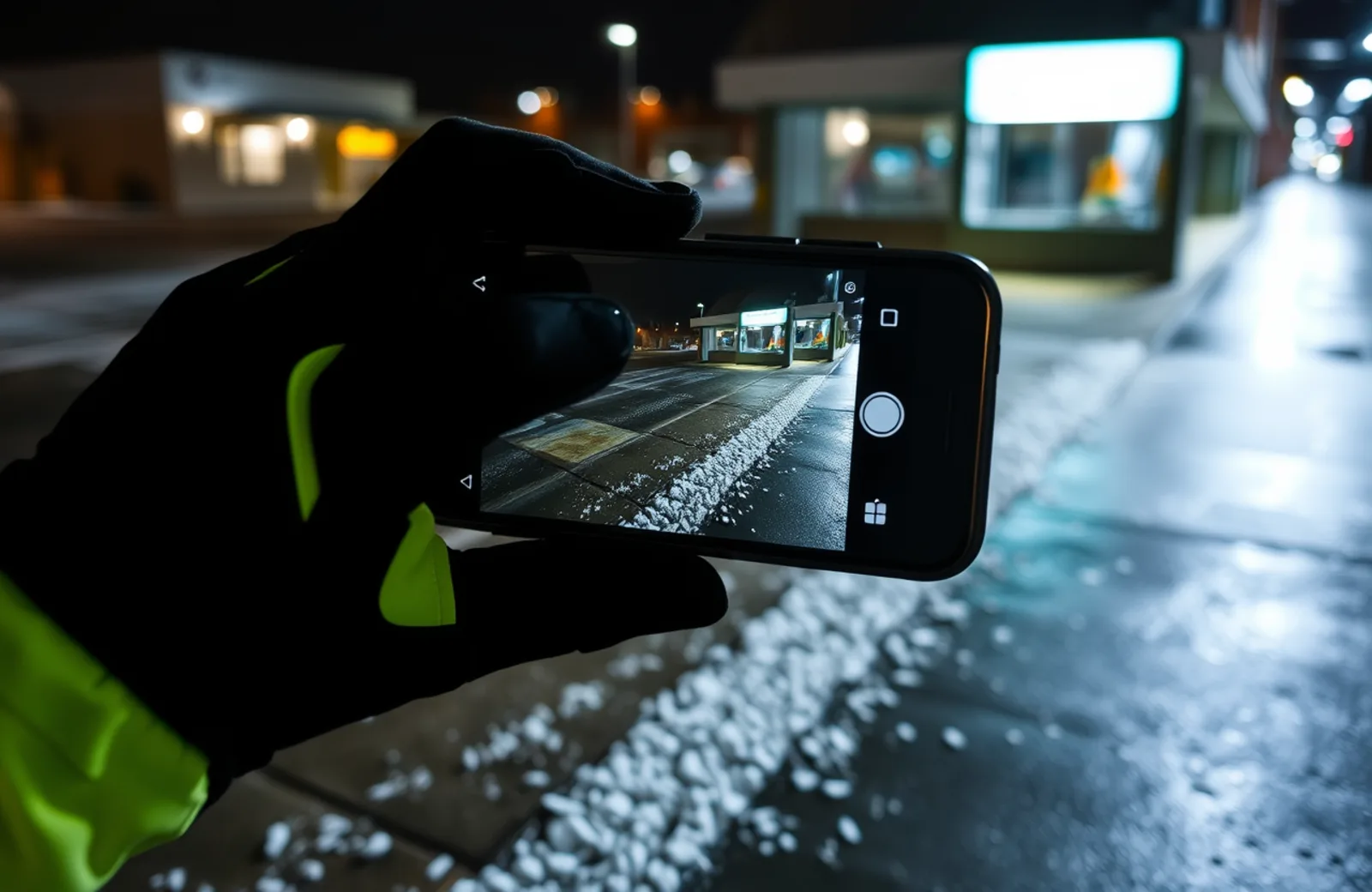
- Departure photographs. Same angles each visit so a jury can compare. Timestamps on, and stored somewhere that survives a phone upgrade.
- Site weather. Temperature and precipitation for that location and time. Freezing rain after departure is a complete defence and an unprovable claim without data.
Retain for longer than feels necessary
Statutes of limitation for personal injury commonly run two to three years, and longer for minors. Records from a storm you have entirely forgotten are the ones that decide a claim. Keep at least three seasons, backed up off the phone that took them.
What good practice looks like on the ground
- One system for logging, used by every crew, every event — inconsistent records are worse than none because the gaps look selective
- A written scope per site listing surfaces in and out of scope, signed
- An incident procedure: photograph the area immediately, record witnesses, notify us the same day
- Never repair, re-treat or alter the area before it is photographed
- Report to the carrier early — late notice is its own coverage problem
Frequently Asked Questions
Three seasons minimum. Personal injury limitation periods commonly run two to three years and can run longer for minors, so records from a storm you have forgotten are exactly the ones a claim will turn on.
Photograph the area before anything is changed, record the time and conditions, note witnesses, and notify us the same day. Do not re-treat the surface before it is documented, and do not discuss fault with anyone at the scene.