Three structural reasons
Carriers are not guessing. Snow removal concentrates three things that insurers price heavily, and it does so in a compressed season.
- The claim is delayed and hard to defend. A fall happens hours after you left, is reported months later, and is litigated on facts nobody recorded at 3am.
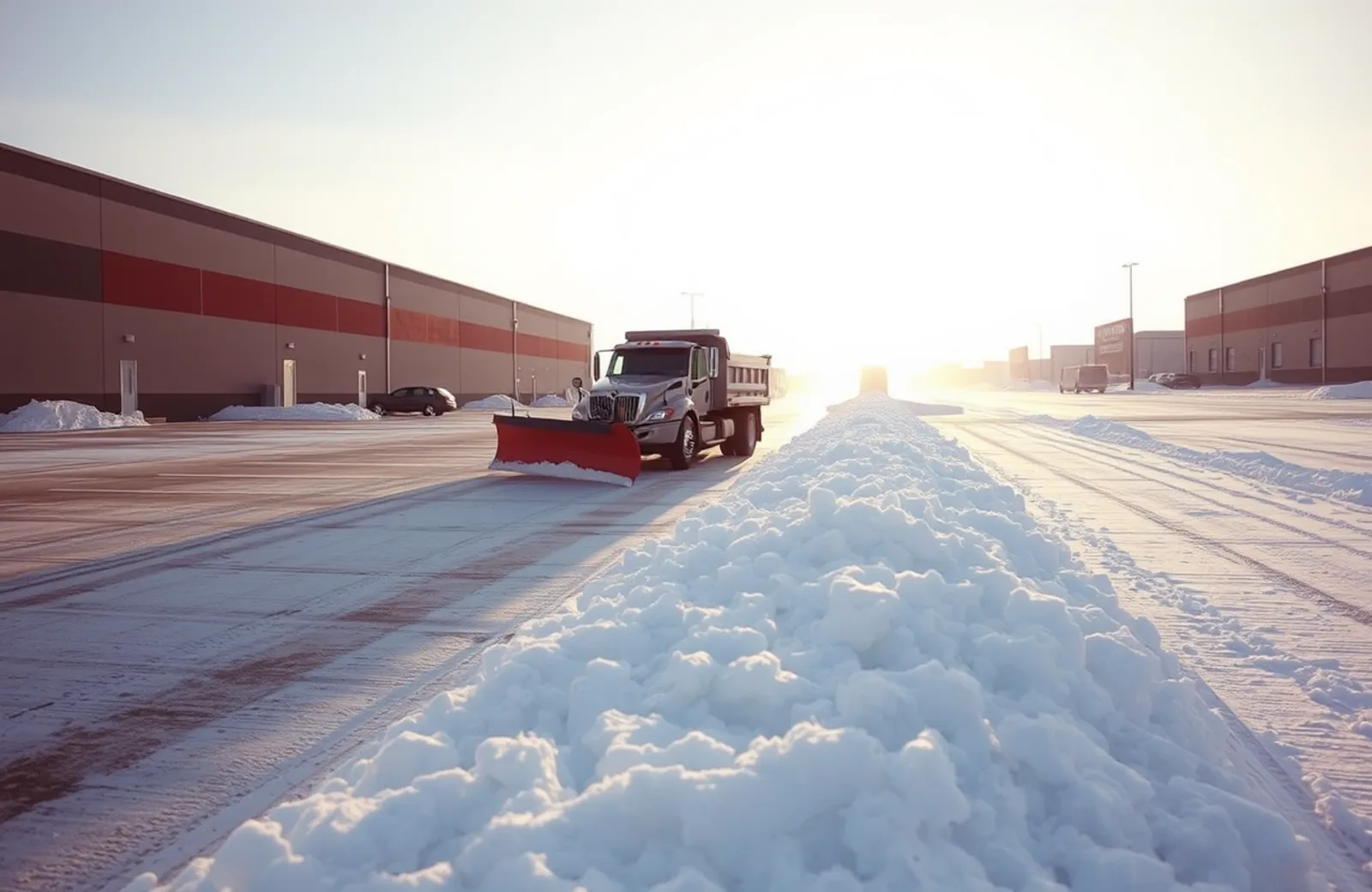
- The driving conditions are the worst of the year, by definition. You are on the road precisely when everyone else is advised not to be, in the dark, with a blade that changes the truck's braking behaviour.
- Severity is unpredictable and weather-driven. One bad ice event across a portfolio of sites can produce many claims from a single night — losses correlate in a way they do not for most trades.
Add contractual risk transfer on top
Property owners push liability down to contractors through indemnity clauses. That means snow contractors often carry not just their own negligence but a share of the owner's, and carriers price that reality whether or not you negotiated the clause.
Six things that actually lower it
- Timestamped service documentation. GPS-verified arrival and departure per site turns 'we think we were there' into evidence, and it is the single biggest defence cost reducer in this trade.
- Driver screening and MVR checks. Screen before hire. One bad record on a seasonal driver reprices the fleet.
- Negotiated indemnity language. Push broad-form clauses back to limited or intermediate. Underwriters read your contracts.
- Written trigger depths and scopes. Ambiguity is read against you. Precision reduces both claims and premium.
- A documented fatigue policy. Shift limits and rotation during long storm events, written down and followed.
- Continuity. Staying with a programme year over year, with clean loss runs, beats shopping on price every October.
What not to do
Do not lower the premium by lowering the coverage without knowing it. The three cheapest ways to get a smaller number are all traps: a snow-and-ice exclusion, an underlying policy the umbrella cannot follow, and under-reported payroll that the audit finds in April. Each one produces a lower quote and a worse outcome.
Frequently Asked Questions
It should. Loss history is one of the heaviest weighted inputs on both general liability and commercial auto, and three clean winters is a real argument at renewal — provided you or your broker actually make it.