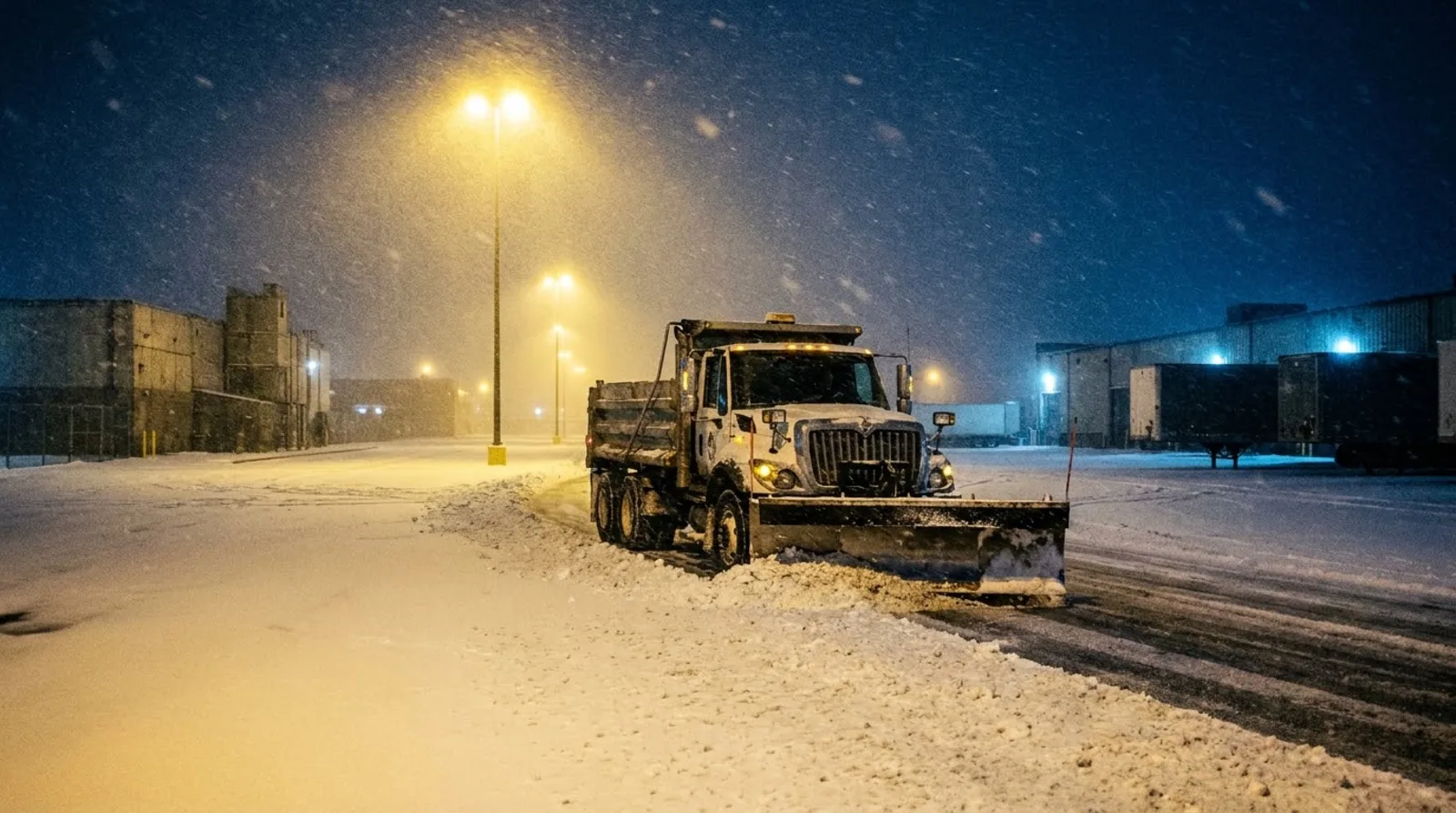
Insurance Built for Snow Removal Contractors
The trade where the claim arrives months after the storm. Get plow truck auto, general liability, equipment and workers' comp written by people who read your snow contract before you sign it — not after somebody falls.
60min
Typical Callback
7
Coverages Under One Roof
$1M/$2M
Limits Most Snow Contracts Require
Same day
Certificate Turnaround In Season
Coverage for Every Trade
Every policy a snow and ice contractor needs — from the general liability a GC demands before you step on site to the bonds your city requires to pull a permit.
Why Snow Contractors Choose Us
Snow is not landscaping with a plow attached. Delayed claims, overnight driving and contracts that push liability downhill make it its own class — and the programme has to be built for that.
We Read the Insurance Exhibit
Every commercial snow contract has two pages nobody reads until a claim. Send us the exhibit before you sign and we will tell you what your policy answers, what it does not, and which sentences — broad-form indemnity above all — are worth negotiating in October rather than litigating in March.
Built Around the Slip-and-Fall Claim
Every other exposure here is ordinary contracting risk. The fall on a lot you cleared at 3am is what makes snow its own class of business, and it arrives months later on facts nobody wrote down. We build the programme around that reality and tell you exactly which records decide the outcome.
Certificates That Are Actually Endorsed
A certificate describes coverage; an endorsement grants it. Contractors lose contracts — and lose claims — on that difference. When a property manager asks to be named additional insured, we put the endorsement on the policy and get the certificate back the same day in season.
Covered in Three Steps
Tell Us About Your Business
Your routes, your trucks, your winter payroll and the contracts you are bidding. Five minutes online, or call and we will take it down for you.
We Shop Carriers That Write Snow
Plenty of markets decline snow and ice outright, and some quote it with an exclusion buried in the form. We go to the carriers that actually want this class and read what comes back.
Bind and Get Your COI
Pick your programme, sign electronically, and we issue certificates the same day — with the additional insured endorsement actually on the policy, not just typed on the form.
Snow & Ice Contractors We Cover
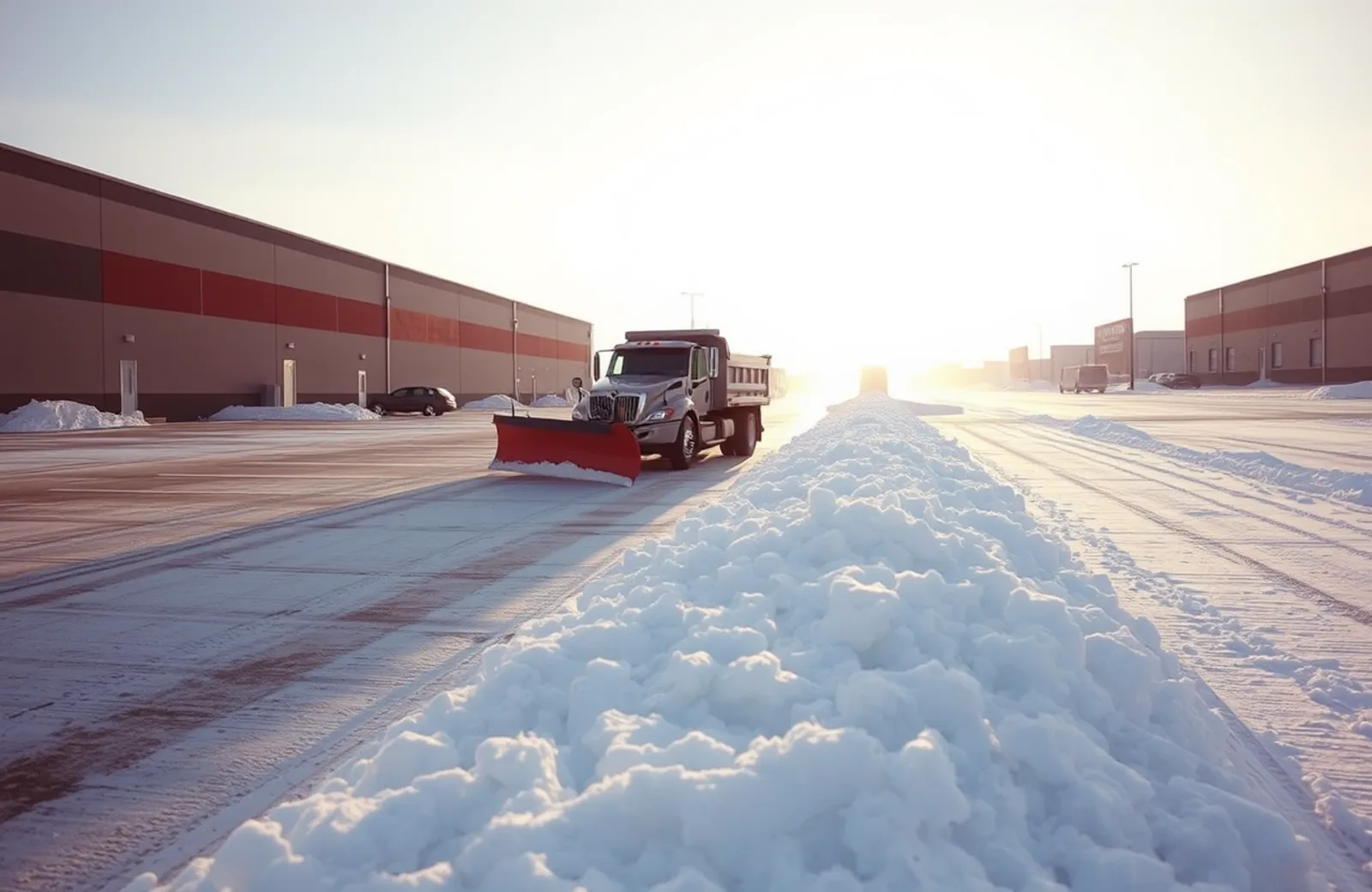
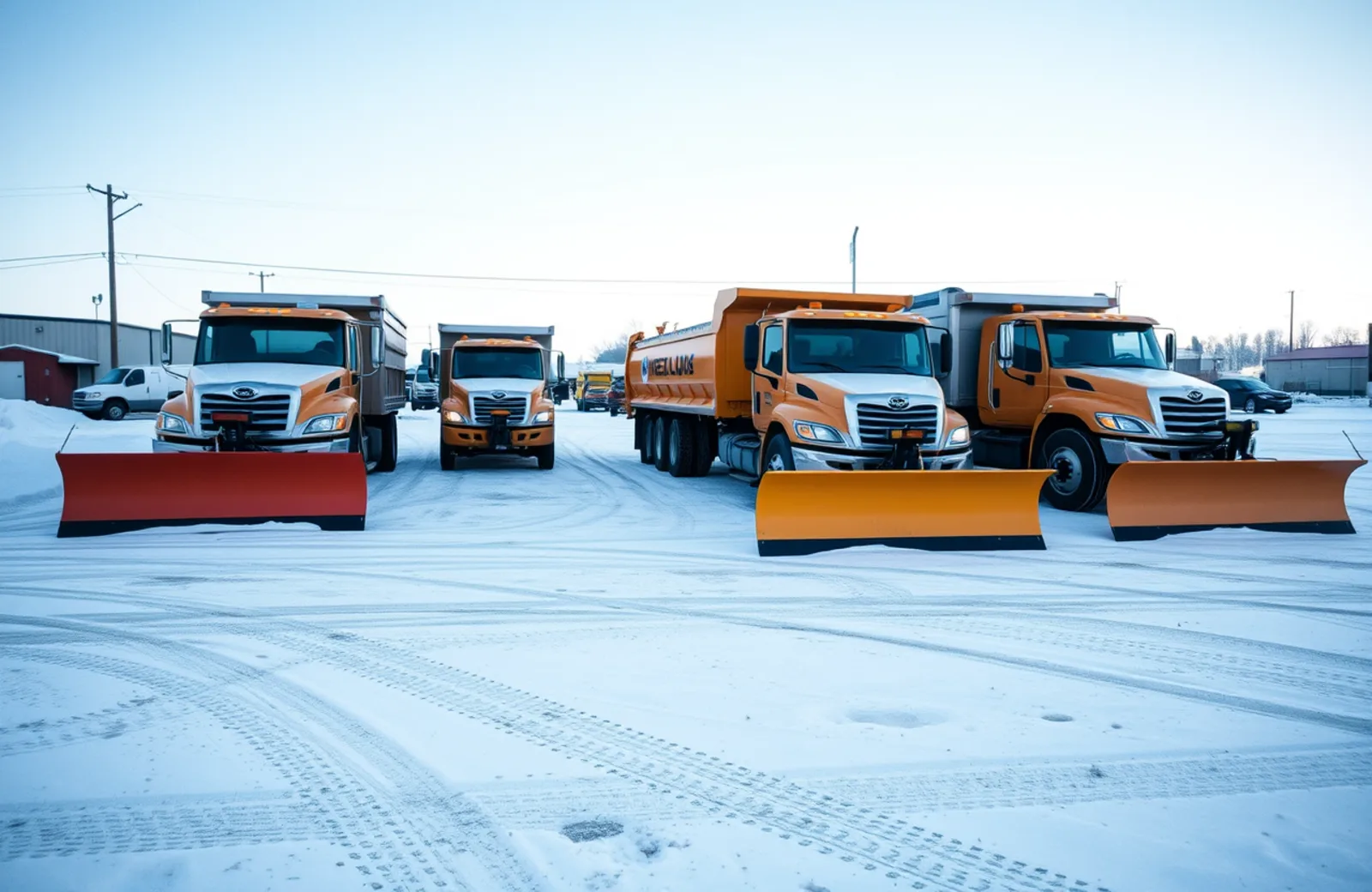
We write snow and ice programs for operations of every shape — single-truck routes through multi-site commercial portfolios.
Know Before You Bid
Snow Removal Insurance FAQ
What contractors ask us every day — costs, workers' comp rules, licensing, and what GCs actually require before you can start.
All 17 QuestionsIt depends far more on your operation than on your zip code. Commercial auto is usually the largest line — driven by truck count, driver records, radius and hours — followed by general liability, which is priced on revenue, contract mix and claims history. A one-truck driveway operator and a nine-truck company servicing grocery-anchored centres are both 'snow removal' and are nowhere near the same premium. Our cost breakdown walks through each line.
Three structural reasons: the claim is delayed and hard to defend because the fall happens hours after you left; the driving conditions are the worst of the year by definition; and losses correlate, so one bad ice event across a portfolio produces many claims from a single night. On top of that, property owners push liability down to contractors through indemnity clauses, and carriers price that. The full explanation is here.
Parts of it, yes. Seasonal payroll for workers' comp and a storage-only structure for trucks that sit April to October are both normal. General liability is the one to keep in force year-round — slip-and-fall claims are routinely filed months after the snow is gone, and a lapsed policy leaves last winter uninsured.
Timestamped service documentation, driver screening before hire, negotiated indemnity language, written trigger depths, a documented fatigue policy, and continuity with clean loss runs. What does not lower it in any real sense: a cheap policy with a snow-and-ice exclusion, or under-reported payroll that the audit finds in April.
Five policies cover almost everything: commercial auto for the trucks and blades, general liability for slip-and-fall and plow damage, workers' comp for your crew, inland marine for the equipment itself, and an umbrella for the excess limits better contracts require. If you can only start with two, make them commercial auto and general liability.
Ready to Get Covered? Let's Build Your Program.
Talk to someone who reads snow contracts for a living and have your certificates in hand fast — most quotes are turned around the same day.
Prefer to talk it through? A licensed agent picks up.
844-967-5247