Why nobody can quote you from a web page
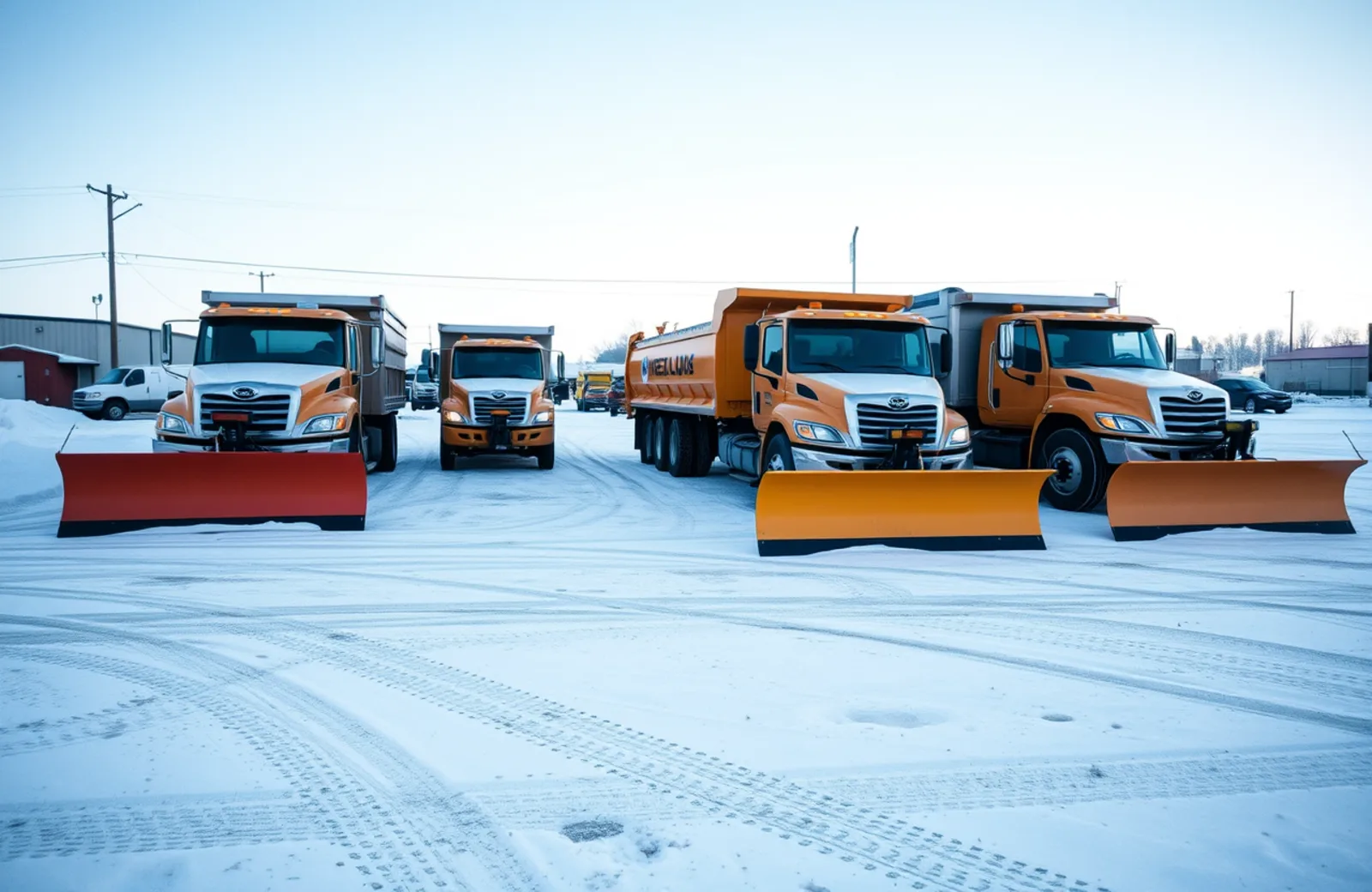
Every published figure for snow removal insurance is an average of businesses that look nothing like each other. A one-truck operator plowing twelve driveways and a company running nine trucks across three grocery-anchored centres are both 'snow removal', and they are not remotely the same risk.
What is knowable is the structure. Your premium is the sum of separate lines, each priced on its own inputs, and once you can see which line is driving your number you can do something about it.
What drives each line
| Policy | Priced mainly on | Usually the... |
|---|---|---|
| Commercial auto | Number of trucks, driver MVRs, radius, hours | Largest single line |
| General liability | Revenue, contract types, claims history | Second largest |
| Workers' comp | Payroll by class code, experience mod | Scales with crew size |
| Inland marine | Scheduled value of plows, spreaders, machines | Modest, and worth every dollar |
| Umbrella | Underlying limits and total exposure | Cheapest limit per dollar |
For most snow contractors, commercial auto and general liability together are the bulk of the bill. That is where attention pays off.
The factors that move your number
- Driver records. One seasonal hire with a bad MVR can reprice an entire fleet. Pull records before the offer, not after the first storm.
- Claims history. Three clean winters is the most persuasive argument for a lower rate there is, and it compounds.
- Contract mix. Residential driveways, commercial lots, healthcare campuses and municipal roads are different risks, and underwriters price the mix.
- Indemnity language. Broad-form hold-harmless clauses in your contracts raise your exposure and, once a carrier reads them, your premium.
- Documentation. Service logs, GPS and dash cameras lower loss costs, and increasingly earn direct credits.
- Limits and deductibles. Higher deductibles lower premium, but only take on what you can absorb mid-season when cash is tight.
The cheapest policy is the one that pays
It is easy to buy a low quote with a snow-and-ice exclusion buried in it. That policy is not cheaper than the one next to it — it is a different product that does not cover your trade. Compare what responds, not just what it costs.
How to get a number that means something
- List every truck, blade and spreader with real values
- Estimate winter payroll honestly, split by role
- Gather your last three years of loss runs
- Pull the insurance exhibit from your two biggest contracts
- Send all of it at once — a quote built on guesses gets corrected at audit anyway
Frequently Asked Questions
Generally yes. Snow work concentrates slip-and-fall exposure, overnight driving in poor conditions, and short intense payroll spikes into a few months. Many carriers rate it as its own class rather than as a landscaping add-on.
Parts of the programme, yes — seasonal payroll and storage-only auto structures are normal. General liability is the one to keep in force year-round, because slip-and-fall claims are filed long after the snow is gone.