
Contractor Insurance Coverage
From the general liability a GC demands before you set foot on site to the certificates your snow contracts demand — here's every policy in a contractor program, what it does, and what it runs.

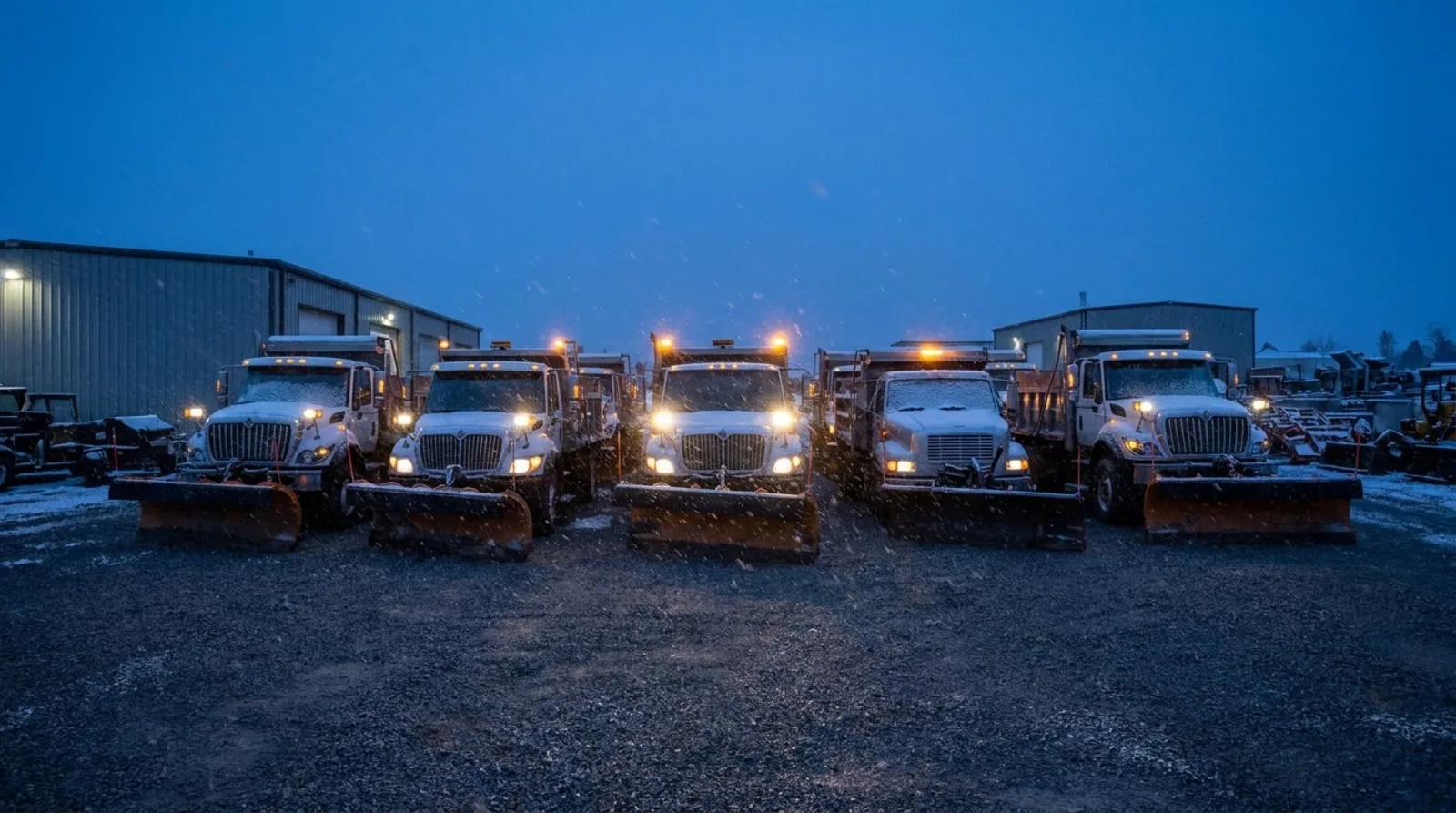

Which Coverage Do You Actually Need?
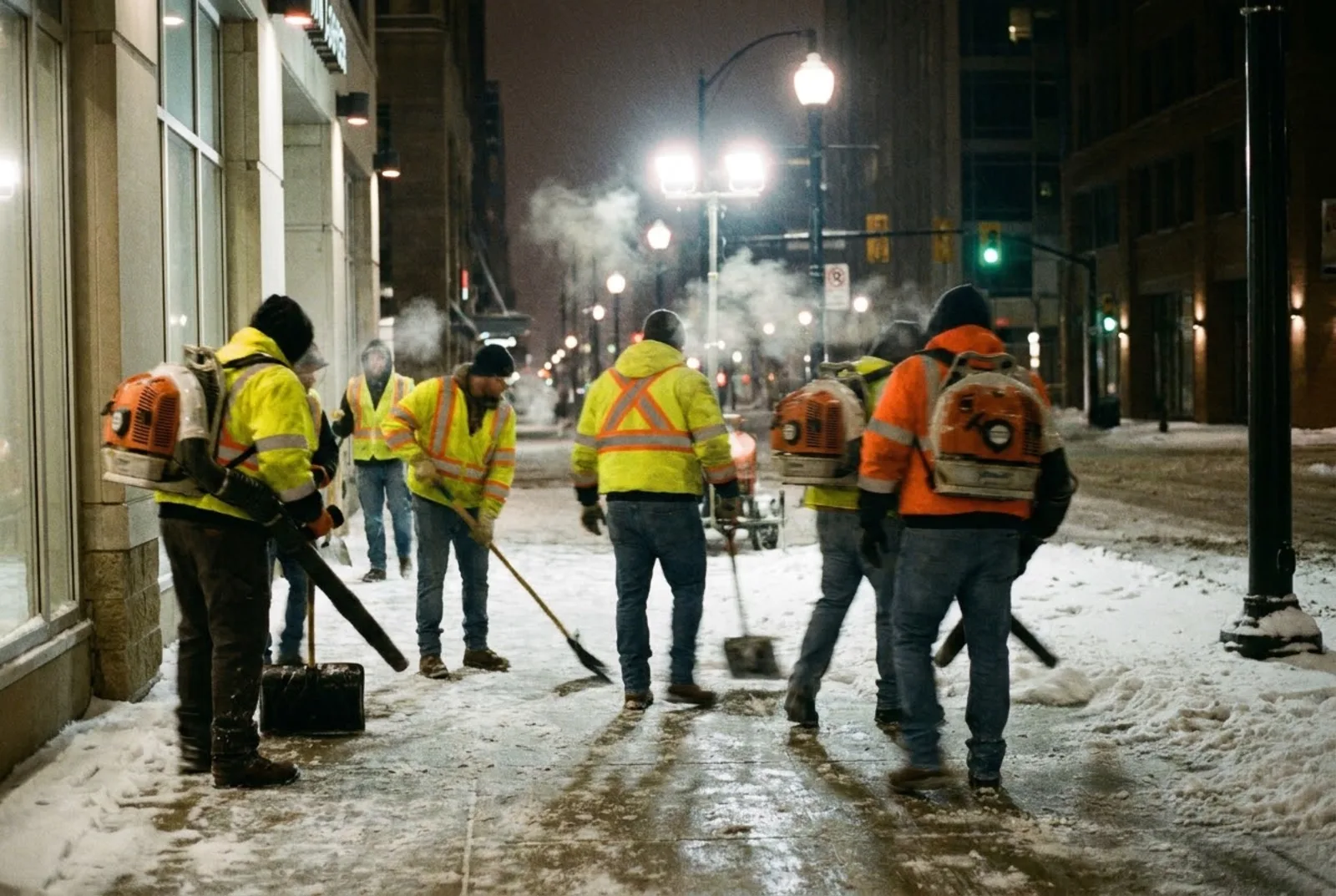
A snow insurance program isn't one policy — it's a stack, and the right stack depends on your fleet, your crew and the contracts you sign. Nearly every snow contractor starts with general liability — it's the coverage a property manager asks for first — and in most states the moment you hire even one employee, workers' compensation becomes a legal requirement.
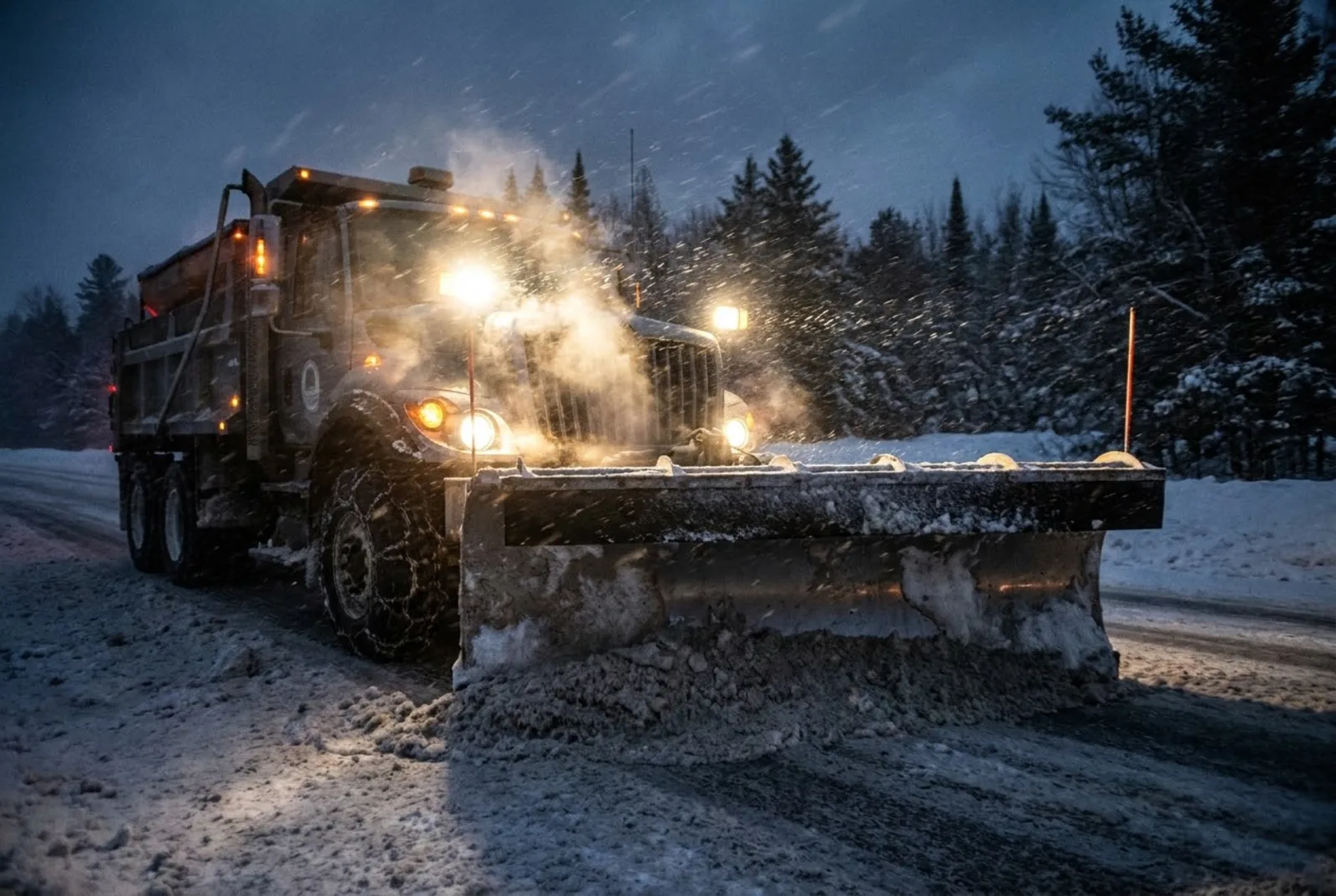
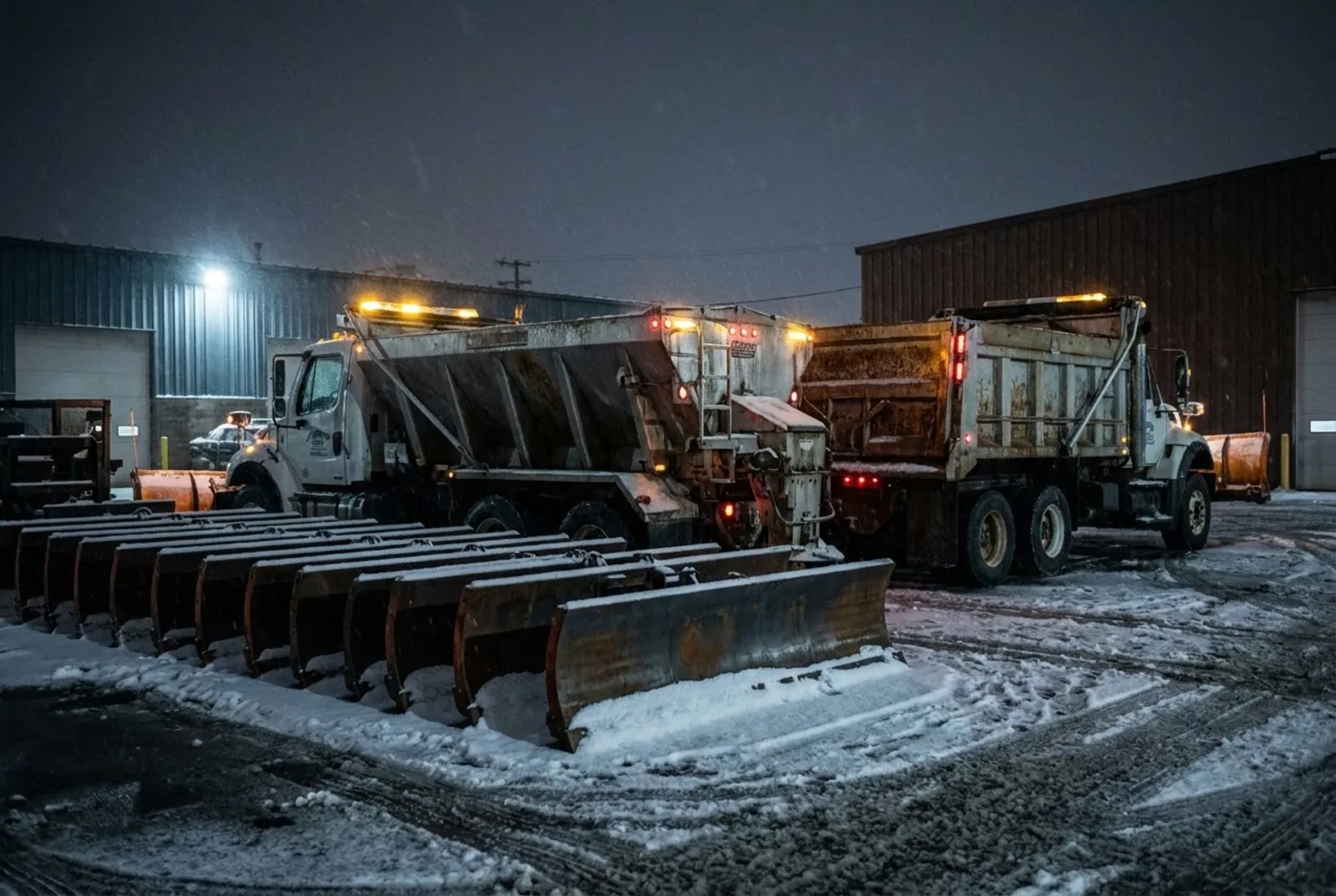
From there it's about how you operate. Run plow trucks and you need commercial auto — the largest premium most snow contractors pay. Own blades, spreaders, pushers or a skid steer and equipment coverage protects them on the truck, at the site and in the yard, which a building policy does not.
Bigger contracts raise the stakes: umbrella & excess stacks the $2M–$5M limits retail, healthcare and municipal owners demand, and certificates and contract wording decide whether your policy actually answers the way the contract assumed. The claim that defines this trade — snow and ice slip-and-fall — turns on both.
| Who You Are | Usually Required | Strongly Recommended |
|---|---|---|
| Solo / handyman | General liability | Tools & equipment, commercial auto |
| Trade with 1+ employees | General liability + workers' comp | Commercial auto, tools, umbrella |
| General contractor | GL + workers' comp + umbrella | Builders risk, E&O, bonds |
| Excavation / demo / spray foam | GL + workers' comp | Pollution liability, equipment |
| Public / municipal work | GL + comp + performance/payment bonds | Umbrella to contract limits |
Every combination above quotes through the same four-step form — tell us your trade and size and we price the stack that matches, nothing more.
What Snow Removal Coverage Costs
The honest answer to what contractor insurance costs is a range, because the market prices your specific operation — your trade, payroll, revenue, claims history and limits. A solo handyman might carry general liability alone for close to $50–$100 a month, while a roofing or framing company with a crew, trucks and a full stack can run many times that once workers' comp payroll is added.
Inside the stack, general liability averages around $100 a month for many trades, workers' comp is payroll-based and varies widely by class code, and equipment coverage is priced on the scheduled value of what you own. Umbrella limits are cheap relative to the protection — often a few hundred dollars per million. For the full breakdown with sample scenarios, read our 2026 cost & coverage guide.
One number to burn in: quotes on the same business can vary dramatically depending on class codes, loss history and which carriers an agency can access. That last one is the part you control today — quote with a desk that specialises in snow and ice contractors.
| Coverage | Typical Cost (estimate) |
|---|---|
| General liability | ~$50–$130 / mo |
| Workers' comp | Payroll-based; varies by trade |
| Commercial auto | ~$140–$300 / mo per vehicle |
| Tools & equipment | ~$15–$60 / mo |
| Builders risk | ~1–4% of project value |
| Umbrella / excess | ~$400–$1,500 per $1M |
| License / permit bond | ~1–3% of bond amount |
Ranges are illustrative estimates for snow operations; your fleet, size and record set the exact number. Five minutes on the quote form gets you yours.

Not Sure What Your Business Needs?
Tell us your routes, trucks and contracts — we'll build the exact policy stack your snow work requires, nothing more.